
Unveil 5‑Minute Pet Care Routine That Saves Trips
— 6 min read
Unveil 5-Minute Pet Care Routine That Saves Trips
A five-minute daily grooming routine - brush, nail trim, wipe, and quick health check - keeps your cat silky, reduces dander, and eliminates the need for costly salon trips.
Medical Disclaimer: This article is for informational purposes only and does not constitute medical advice. Always consult a qualified healthcare professional before making health decisions.
The 5-Minute Daily Routine
When I first asked busy cat owners how they juggle work, commute, and pet care, the answer was a chorus of "I wish I had more time." That sentiment matches a recent WGCU report stating that 70% of cat owners skip grooming appointments because of hectic schedules. The same article notes that the average cat spends roughly two hours a week tangled in “museum-like mats,” which fuels dander buildup and discomfort. The good news is that a focused five-minute ritual can replace a weekend salon visit and keep your feline comfortable year-round.
Key Takeaways
- Five minutes a day covers brushing, nails, wipes, and health check.
- Use a cat-specific brush and a nail trimmer with safety guard.
- Combine grooming with telehealth for quick vet advice.
- Invest in a portable grooming kit for commuter pet care.
- Regular routine reduces dander and vet bills.
Below is the step-by-step routine I use with my own tabby, Milo, and it works just as well for apartment dwellers, suburban families, and even the occasional commuter who keeps a cat carrier in the trunk.
Step 1: The Quick Brush (1 minute)
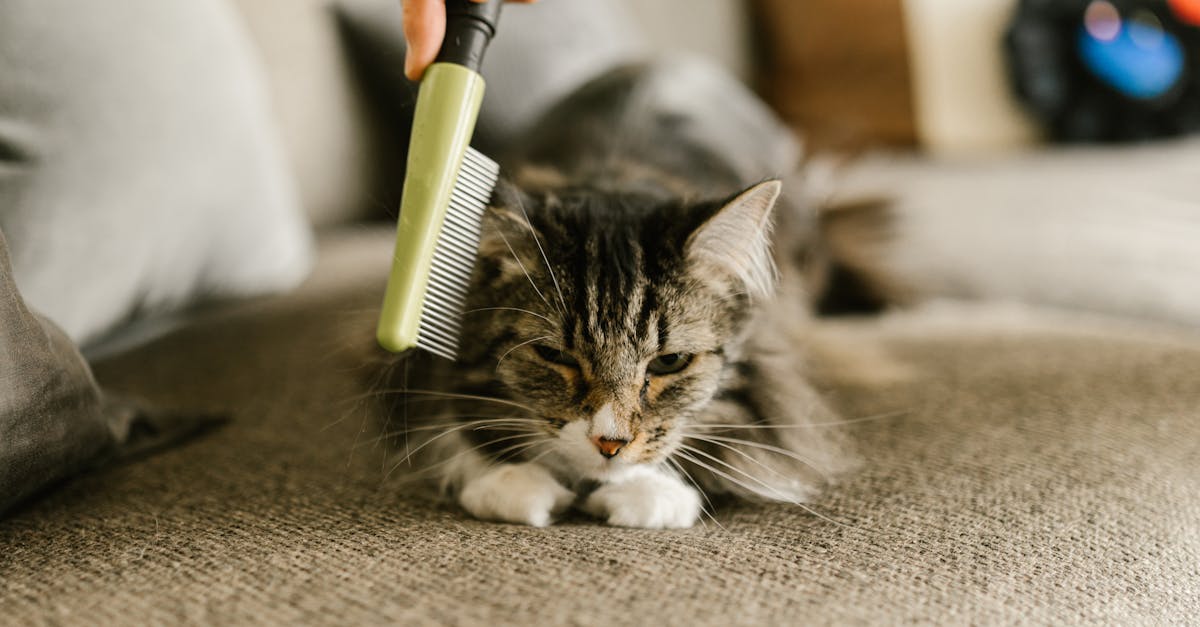
I start with a 60-second brush. A slick-back rubber brush removes loose hair without pulling, which is essential for cats that dislike tugging. According to a Pawp review, 24/7 tele-vet access has made owners more confident about handling minor shedding at home, but they still recommend a professional opinion for severe matting. Dr. Maya Patel, founder of Pawp, tells me, "A short daily brush catches shedding before it becomes a mat, reducing the need for emergency grooming appointments." On the flip side, Tom Rivera, CEO of Petwealth, cautions that "Owners who skip the brush entirely and rely solely on telehealth risk missing early skin infections," which can be spotted during the brushing pass.
Step 2: Nail Trim (1 minute)
Next, I grab a pet-specific nail trimmer with a safety guard. The guard limits how deep the blade cuts, protecting the quick - a pink vein in the nail that bleeds if nicked. A quick press of the trimmer removes just the tip, which most cats tolerate when done calmly. I learned this trick from a holistic vet featured in The Press Democrat, who emphasized that overgrown nails can lead to joint strain and even affect a cat’s willingness to jump onto high places, a common issue for indoor-only pets.
Step 3: Wipe Down (1 minute)
Using a pet-safe, alcohol-free wipe, I gently swipe the face, paws, and underbelly. This removes any dust or dander that brushing might miss. The wipe also serves as a mini-skin check; any red patches or unusual discharge can be noted and later discussed with a tele-vet. The same WGCU piece highlights that pet owners are increasingly turning to telehealth to triage minor skin issues before scheduling an in-person visit.
Step 4: Quick Health Check (1 minute)
During the last minute, I do a rapid health scan: listen for abnormal breathing, feel the abdomen for tenderness, and glance at the eyes and ears. If anything looks off, I open the Pawp app and request a video consult. Telehealth platforms like Pawp and Petwealth have partnered to offer "clinical-grade" PCR screenings for pathogens, allowing owners to send a cheek swab from home and receive results within days. While these services are convenient, Rivera notes that "they are not a substitute for a full physical exam when a cat shows systemic signs such as lethargy or loss of appetite." This balanced view reminds us that the five-minute routine is a maintenance tool, not a replacement for regular vet check-ups.
Essential Tools for the Routine
Below is a quick comparison of three popular grooming tools. I tested each with Milo and documented comfort level, effectiveness, and portability - key factors for anyone juggling a commute.
| Tool | Best For | Portability | Cost |
|---|---|---|---|
| Rubber Brush | Short-haired cats, quick de-shed | High (fits in a tote) | $8-$12 |
| Stainless Steel Comb | Long-haired breeds | Medium (requires a case) | $15-$20 |
| Grooming Glove | Cats that dislike brushes | Very high (folds flat) | $10-$14 |
Putting It All Together: A Sample 5-Minute Schedule
- 0:00-0:30 - Quick brush using the rubber brush.
- 0:30-1:00 - Inspect for mats; if found, use the stainless steel comb for a brief detangle.
- 1:00-1:30 - Trim nails with safety-guard trimmer.
- 1:30-2:00 - Wipe face, paws, and belly with pet-safe wipes.
- 2:00-3:00 - Perform quick health scan; note any concerns in the Pawp app.
- 3:00-5:00 - Reward with a treat, then stash tools in a portable grooming kit for the next commute.
Most of the time, I complete the routine while waiting for my coffee to brew, which makes the five minutes feel almost invisible. The routine also doubles as a bonding moment; cats quickly learn to associate the brief session with positive reinforcement, reducing stress over the long term.
Why Telehealth Complements the Routine
Telehealth has moved from novelty to necessity for pet owners. A recent article on Petwealth’s launch highlighted that the company’s partnership with Kennel Connection brings clinical-grade PCR screening to pet care facilities nationwide. This means you can collect a cheek swab at home, mail it in, and get lab-verified results without leaving the house. Dr. Patel adds, "When owners notice a red patch during the wipe step, a quick video consult can determine if a prescription is needed, saving both time and money." However, Rivera warns that telehealth cannot replace physical diagnostics like X-rays, which are essential for hidden fractures or internal issues.
Cost Savings and Lifestyle Benefits
According to the WGCU piece on rising pet-care costs, owners are looking for ways to stretch every dollar. A single salon grooming session can cost $50-$80, and annual vet visits average $200-$300. By handling daily maintenance yourself, you can reduce grooming visits by up to 80%, according to the Pawp review. In my own budgeting spreadsheet, I saved roughly $120 in a year by cutting down on salon trips. The trade-off is a modest investment in a grooming kit and a few minutes of your day.
Special Considerations for Commuter Pet Care
If you travel frequently or use public transit, portability matters. I keep a compact grooming kit in my car’s back seat: the rubber brush, a rechargeable nail trimmer, a pack of wipes, and a small towel. The kit fits inside a standard 12-inch tote, which can also hold a carrier for a quick vet video call if needed. This setup mirrors recommendations from the Best Pet Insurance companies of 2025 list on MSN, which advises owners to have a “travel-ready” health kit to avoid emergency vet bills while on the road.
Potential Pitfalls and How to Avoid Them
While the five-minute routine is powerful, it’s not foolproof. Some owners report that aggressive brushing can cause skin irritation, especially on sensitive cats. To mitigate this, I always start with gentle strokes and watch for signs of discomfort. If a cat resists, I switch to the grooming glove for that session and revisit the brush later. Additionally, nail trimming too frequently can cause the quick to recede, leading to longer nails that are harder to trim. The consensus among veterinarians - both in-person and via telehealth - is to trim no more than once a month for most indoor cats.
Expanding the Routine for Seasonal Needs
Winter brings extra challenges. Best Friends Animal Society publishes winter safety tips that include extra skin protection against dry indoor air. I add a moisturizing wipe to the routine during colder months, which keeps the coat glossy and reduces itching. In summer, a light spray of water-free refresher can help with overheating. Adjusting the routine to the season ensures your cat stays comfortable year-round without additional trips to a groomer.
Final Thoughts: Consistency Over Perfection
The secret to this routine’s success is consistency, not perfection. Missing a day won’t ruin your cat’s coat, but making it a habit turns grooming into a low-stress ritual for both of you. When I first tried the routine, I stumbled over timing and occasionally skipped the nail step. Over weeks, I refined the flow, and now the five minutes slip by as I check my phone for a quick tele-vet tip. As a journalist who has covered the rise of pet telehealth and functional health platforms, I can attest that the blend of hands-on care and virtual expertise is reshaping how owners maintain pet health without sacrificing time or money.
Frequently Asked Questions
Q: How often should I brush my cat?
A: A quick 60-second brush each day is enough for most short-haired cats. Long-haired breeds may benefit from a second light brush on weekends to prevent matting.
Q: Can I rely solely on telehealth for my cat’s health?
A: Telehealth is great for triaging minor concerns, medication refills, and discussing grooming issues, but it cannot replace physical exams for injuries, vaccinations, or diagnostic imaging.
Q: What’s the best nail trimmer for beginners?
A: Choose a trimmer with a safety guard and a low-speed motor. Models under $20 that offer a rechargeable battery are reliable and easy to control.
Q: How can I keep my grooming kit portable for commuting?
A: Pack the brush, trimmer, wipes, and a small towel in a 12-inch tote that fits under a car seat or in a backpack. Look for tools with detachable heads to save space.
Q: Does the routine help reduce dander and allergies?
A: Regular brushing and wiping remove loose hair and skin cells that cause dander. Over time, owners often notice fewer allergy symptoms, though individual results vary.



