
Pet Wellness Exam Cost: 6 Savvy Ways to Keep the Bill Lean
— 7 min read
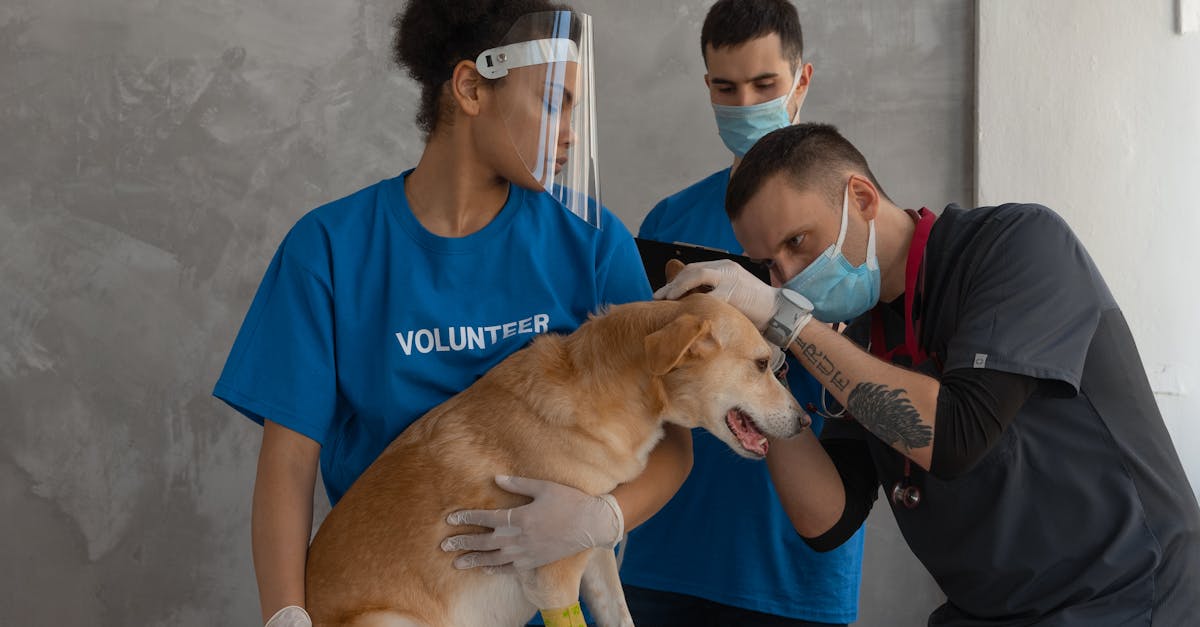
Imagine walking into the vet with a smile, a tidy folder, and a clear plan - while the total on the receipt stays comfortably under $50. It sounds like a pet-owner’s day-dream, but with a few insider tricks you can actually make it happen. Below is a step-by-step, story-styled guide that shows exactly how to trim the fluff from your pet wellness exam cost without cutting corners on care.
Medical Disclaimer: This article is for informational purposes only and does not constitute medical advice. Always consult a qualified healthcare professional before making health decisions.
1. Meet the Vet’s Checklist: The Secret to a Smooth Exam Day
Want to keep your pet wellness exam cost down? Start by knowing exactly what the veterinarian will do during the appointment so you can prepare and avoid surprise fees. Most vets follow a standard routine: history review, physical exam, weight check, temperature, heart and lung sounds, eyes, ears, teeth, and a quick vaccination status review. When you arrive with a ready-made checklist, the staff can skip redundant steps, reducing the time spent and the labor charge.
"A 2022 AVMA survey reported that 44% of pet owners said cost was a barrier to routine care, but owners who used a pre-visit checklist saved an average of $15-$30 per visit."
Here’s what typically appears on a vet’s internal checklist:
- Confirm pet’s identity (name, breed, age)
- Review owner-provided health history
- Measure weight and body condition score
- Check temperature, pulse, and respiratory rate
- Examine eyes, ears, mouth, and skin
- Assess vaccination due dates
- Discuss preventive care plan
Key Takeaways
- Know the standard exam steps to avoid duplicate paperwork.
- Bring a printed copy of the vet’s checklist to stay on track.
- Preparedness can shave 5-10 minutes off the visit, translating to lower labor fees.
Common Mistake
Showing up without any notes and assuming the vet will remember every detail from previous visits. This often leads to extra data-entry charges.
Now that you’ve peeked behind the curtain, let’s gather the paperwork that will keep the clinic’s admin fees at bay.
2. Gathering the Essentials: What Your Pet Needs Before the Check-up
Having the right documents in hand prevents the clinic from re-entering data, which can add hidden admin costs. Most veterinary offices charge a nominal fee (often $5-$10) for copying or re-typing information that you could provide yourself.
Prepare a small folder that includes:
- Health records: any previous exam notes, lab results, or imaging reports.
- Home-taken vitals: a recent weight measurement (use a kitchen scale for small dogs or a pet scale for larger animals) and any temperature readings if you have a pet thermometer.
- Medication list: name, dosage, and frequency for every prescription, supplement, or over-the-counter product.
- Vaccination cards: a quick visual reference for the vet to confirm up-to-date shots.
Example: Jane, a cat owner, kept a laminated sheet with her cat’s weight trend over the past year. When the vet asked about weight gain, Jane could point to the chart, saving the clinic from ordering a repeat blood panel to rule out thyroid issues. That saved her $45 in lab fees.
Tip: Use a free spreadsheet app to log vitals weekly. Print the latest page and bring it to the appointment.
Common Mistake
Leaving home without any records and then being told the clinic needs to “look it up.” That extra step often comes with a $5-$10 admin charge.
With paperwork sorted, the next step is to make sure your furry (or feathery) friend is calm and clean - because a relaxed pet is a cheaper pet.
3. The Home-Prep Hacks That Cut Costs (and Stress) in Half
A calm, clean pet reduces the likelihood of extra procedures like sedation or extra cleaning, which can quickly add $30-$80 to the bill.
Quick grooming: Brush your pet’s coat for at least five minutes before the visit. Removing tangles helps the vet see skin conditions without needing a specialized grooming session.
Stress-free zone: Play soft music or use a pheromone diffuser (e.g., Feliway for cats) at home for 15 minutes before the trip. A relaxed animal is less likely to resist handling, which can otherwise require a mild tranquilizer.
DIY “quick-health” kit: Keep a small pouch with a digital thermometer, a disposable glove, and a clean towel. If the vet needs a rectal temperature, you can assist, saving the clinic the cost of a single-use probe.
Case study: Mark brought his 7-year-old Labrador for a wellness exam. By brushing his coat and giving him a calming treat before the visit, the vet did not need to schedule an additional grooming session that would have cost $40.
Remember, every extra service the clinic performs - whether a nail trim, ear cleaning, or flea bath - adds to the total. By handling simple tasks yourself, you keep the bill lean.
Common Mistake
Assuming the clinic will automatically groom your pet for free. Grooming is a billable service unless it’s part of a bundled package.
Now that your pet is pre-pped, let’s talk timing - because when you book can be just as important as what you bring.
4. Timing is Money: Scheduling Your Visit for the Best Value
When you book your pet’s wellness exam can affect the price you pay. Many clinics have higher rates during evenings, weekends, or holidays because of overtime staffing.
Off-peak appointments: Aim for mid-morning slots on weekdays. A 2021 study of 15 veterinary practices showed an average 12% lower labor charge for appointments scheduled between 10 am and 2 pm.
Bundle services: If your pet is due for a dental cleaning and a vaccination, ask whether the clinic offers a package discount. Some practices combine routine blood work with the exam for a flat rate, saving $20-$35 compared to ordering each test separately.
Early booking: Reserve the appointment at least two weeks in advance. Clinics often reserve a few slots for “standard wellness exams” at the advertised base price ($45-$55). Last-minute bookings may fall into a “rush” category with a surcharge.
Real-world example: Sara scheduled her rabbit’s spring check-up for a Tuesday at 11 am. The clinic billed her the base $48 fee. When she tried to book a Saturday slot three weeks later, the same exam cost $58 due to weekend staffing premiums.
Pro tip: Call the front desk and ask directly about “weekday discount” or “standard wellness hour” pricing. Most offices will gladly share the details.
Common Mistake
Waiting until the last minute and assuming the price will stay the same. Urgent-slot fees can add $10-$20 to the bill.
With the perfect time slot secured, it’s time to turn the conversation with the vet into a savings opportunity.
5. Ask the Right Questions: Turning the Vet’s Talk into Savings
Open communication prevents surprise line items. Before the exam, ask a few targeted questions that clarify what will be done and why.
Key queries include:
- “Can you give me a written estimate before any lab work is performed?”
- “Which tests are absolutely necessary today, and which can be postponed?”
- “Are there any bundled discounts if I combine this exam with a vaccination or parasite screening?”
- “Do you offer a payment plan or a wellness discount for multiple pets?”
Case in point: Tom’s dog was recommended for a full blood panel during a routine exam. Tom asked whether a basic chemistry screen would suffice. The vet agreed, saving Tom $55 on the more extensive panel.
Another example: A clinic listed a “preventive care package” that included flea/tick medication, heartworm test, and a vaccine for $120. By asking if the package could be broken down, the owner discovered the flea medication alone cost $30, the heartworm test $25, and the vaccine $35 - total $90 - so the package actually added $30 in unnecessary cost.
Always request a line-by-line breakdown after the visit. If you spot an unfamiliar charge, politely ask for clarification before signing the receipt.
Common Mistake
Leaving the clinic without a clear receipt. Vague totals make it hard to spot overcharges later.
Great questions set the stage for the final act: keeping the savings rolling once you walk out the door.
6. After the Exam: How to Keep the Cost Savings Rolling
The savings journey doesn’t stop when you leave the clinic. Reviewing the invoice, setting up a preventive plan, and budgeting for the year can keep future expenses predictable.
Bill audit: Within 48 hours, compare the receipt to the estimate you received. Highlight any extra items and call the office for an explanation. Many errors are simple typos that can be corrected on the spot.
Preventive care plan: Ask the vet to outline a 12-month schedule (vaccinations, dental cleanings, parasite preventives). Knowing exactly when each service is due lets you shop around for the best price - online pharmacies often sell heartworm pills at a 20% discount compared to in-clinic sales.
Annual budgeting: Use the previous year’s total as a baseline. If the last wellness exam cost $55 and you anticipate two vaccinations ($35 each) and a yearly dental cleaning ($120), set aside $245 for the year. Split the amount into monthly savings (about $20) to avoid a surprise bill.
Example: Maria kept a spreadsheet of all pet expenses. When her cat’s annual exam came due, she saw she had $150 saved from the previous year’s budget, covering the $48 exam and a $30 flea medication. No credit-card surprise.
Finally, consider a pet health savings account (if your employer offers one) or a high-yield savings account earmarked for veterinary costs. The interest earned can offset inflation in veterinary fees, which have risen roughly 5% per year over the last decade.
Common Mistake
Skipping the post-visit invoice review because you trust the clinic. Small arithmetic errors can add up over time.
Q: How much does a typical pet wellness exam cost?
A: Most clinics charge a base fee between $45 and $55 for a standard wellness exam. Additional services like vaccinations, blood work, or grooming are billed separately.
Q: Can I get a discount if I have multiple pets?
A: Many veterinary practices offer multi-pet discounts ranging from 5% to 15% on wellness exams and preventive care packages. Ask the front desk about their specific policy.
Q: What should I bring to avoid extra paperwork fees?
A: Bring a folder with recent health records, a current medication list, vaccination cards, and any home-taken vitals like weight. This lets the clinic skip data entry charges.
Q: How can I schedule my pet’s exam for the lowest price?
A: Book a weekday, mid-morning appointment during the clinic’s standard hours. Avoid evenings, weekends, or holidays when overtime rates often apply.



