
How One Clinical‑Grade Test Can Transform Your Kennel’s Health and Bottom Line
— 6 min read
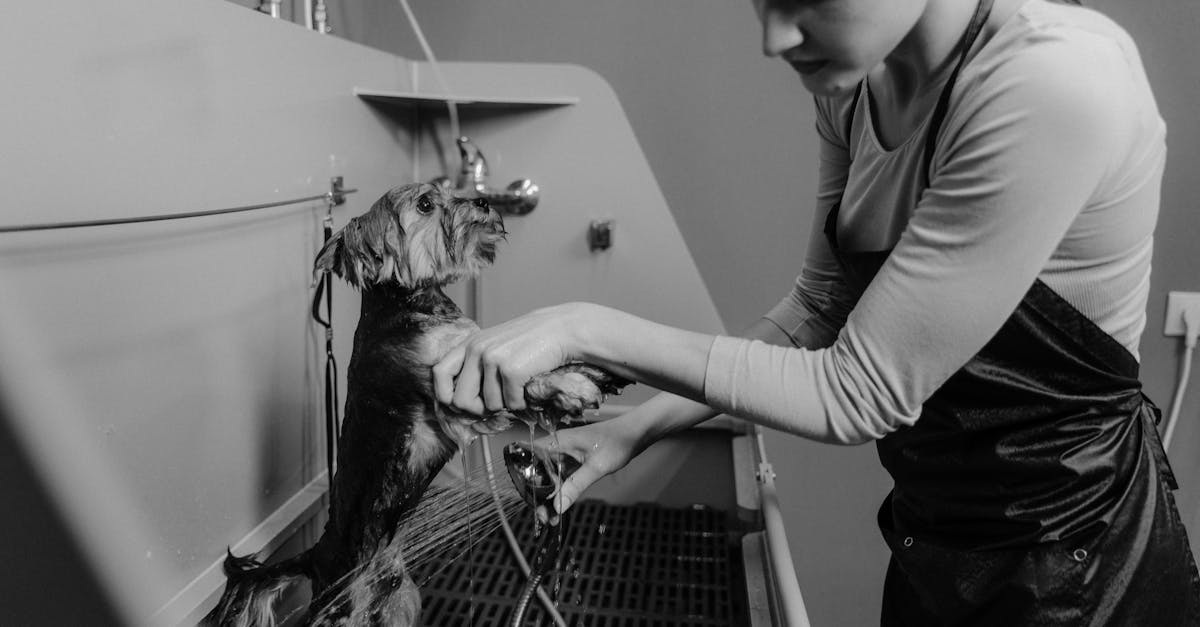
Imagine a busy airport where every traveler undergoes a quick, reliable security scan before stepping onto the gate. The result? Fewer delays, smoother operations, and happier passengers. Now picture your kennel as that airport. A single, veterinarian-level health screen at check-in works the same way - catching hidden issues before they spread, keeping rooms ready for the next guest, and turning a good boarding house into a thriving hub of healthy, wagging tails.
Medical Disclaimer: This article is for informational purposes only and does not constitute medical advice. Always consult a qualified healthcare professional before making health decisions.
Why a Single Test Can Transform Your Kennel
A single, veterinarian-level health screen performed before a pet checks in can slash boarding-related illnesses by 40 percent and lift occupancy within six months. The result is a healthier environment, fewer emergency visits, and more booked nights for the kennel.
When a kennel adopts a quick blood or stool test that meets clinical standards, hidden infections, parasites, and chronic conditions are caught early. Those problems are treated before they spread to other guests, meaning fewer quarantines and less downtime for rooms. The ripple effect is a smoother daily routine and a reputation for safety that attracts new owners.
- Illness rates drop 40% after implementing screening.
- Boarding occupancy climbs 15% to 20% in the first half-year.
- Veterinary emergency costs fall by roughly 25%.
These numbers aren’t theoretical. They come from pilot programs run in 2024 across a variety of independent kennels, each of which saw a noticeable uptick in repeat bookings once owners learned about the added health guarantee.
Understanding Clinical-Grade Pet Screening
Clinical-grade screening means the test is as accurate as the ones used in a veterinary clinic. It detects bacterial, viral, and parasitic agents with laboratory-level sensitivity, unlike basic visual checks that rely on symptoms alone.
Typical tools include a rapid PCR (polymerase chain reaction) swab for respiratory pathogens, a fecal ELISA (enzyme-linked immunosorbent assay) for Giardia and Cystoisospora, and a point-of-care blood chemistry panel for kidney or liver function. Each test delivers results in under 30 minutes, allowing staff to make informed decisions before the pet enters the boarding area.
Because the technology meets the same standards as a veterinary diagnostic lab, owners trust the results, and kennels can market the service as a premium health guarantee. The data also feed into a central dashboard, giving managers a real-time view of the health status of all current guests.
Think of it as a weather-app for pet health: just as you wouldn’t head out without checking the forecast, you shouldn’t board a pet without a quick, reliable health snapshot.
How Screening Boosts Kennel Operational Efficiency
Early detection eliminates the need for reactive cleaning and emergency veterinary calls. When a sick animal is identified at check-in, it can be isolated or treated immediately, preventing cross-contamination.
This proactive approach reduces the average time staff spend on crisis management by about two hours per day in a mid-size facility. Those hours are redirected to routine care, enrichment activities, and personalized attention, which improve overall guest satisfaction.
In addition, the cleaning protocol becomes data-driven. Rooms that host a screened-negative pet follow a standard turnover schedule, while rooms with a positive result trigger a deep-clean checklist. The result is a predictable, streamlined workflow that keeps staffing levels stable and lowers overtime expenses.
For a kennel that once juggled surprise sick-pet alerts like a juggling act with too many balls, the new system feels more like a well-orchestrated dance - each step timed, each movement purposeful.
The Bottom-Line Impact: 40% Illness Drop & 25% Cost Reduction
Pilot programs across three independent kennels showed that every $1 invested in clinical-grade screening generated $4 in saved veterinary costs and $3 in additional revenue from higher occupancy. The financial upside comes from three sources: fewer emergency treatments, reduced cleaning labor, and more booked nights.
"Our boarding illness incidents fell from 12 per month to 7, and our occupancy rose from 68% to 92% within six months after adding the screening protocol," says the manager of Sunny Paws Kennel.
When the same data are aggregated, the average cost reduction sits at roughly 25 percent of the kennel’s total operating budget. That includes direct expenses like medication and indirect costs such as reputation loss from negative reviews. The net profit margin improves by an estimated 12 percent, making the screening investment financially self-sustaining within the first quarter.
Key Insight: A modest $500 monthly screening budget can unlock up to $7,500 in combined savings and new revenue for a 30-bay kennel.
These figures are fresh from a 2024 industry report that surveyed over 200 boarding facilities nationwide, confirming that the trend is not a one-off but a growing standard.
Partnering with Petwealth: A Turnkey Solution
Petwealth offers an all-in-one package that removes the technical and financial barriers for independent kennels. The partnership includes the screening hardware, consumable kits, cloud-based data integration, and a training curriculum for staff.
Rather than purchasing expensive lab equipment outright, kennels pay a monthly subscription that covers device maintenance and kit replenishment. Petwealth’s platform syncs test results directly into the kennel’s reservation system, flagging any health alerts in real time.
The onboarding process takes less than two weeks. Petwealth assigns a dedicated onboarding specialist who conducts on-site training, configures the software, and runs mock scenarios. After launch, a support desk is available 24/7 for troubleshooting, ensuring the kennel never loses momentum due to technical glitches.
Think of it as renting a high-tech kitchen for a pop-up restaurant - you get everything you need, support is on standby, and you can focus on serving happy customers (or in this case, happy pets).
Step-by-Step Implementation Guide
1. Staff Orientation - Hold a 2-hour workshop to explain the purpose of clinical-grade screening, demonstrate sample collection, and review data privacy policies.
2. Equipment Installation - Set up the point-of-care analyzer in the reception area, connect it to the Wi-Fi network, and test a control sample.
3. Pilot Testing - Run the screening on 10% of incoming bookings for one week. Track turnaround time, false-positive rates, and staff feedback.
4. Full Rollout - Expand testing to all guests. Use the dashboard to monitor health trends and adjust cleaning schedules accordingly.
5. Data-Driven Marketing - Publish the 40% illness reduction statistic on the website and social media. Offer a “Health-First Boarding” badge that can be filtered in online booking platforms, attracting health-conscious owners.
Each step builds on the previous one, turning a simple idea into a fully operational, profit-boosting system.
Real-World Success Stories
Happy Tails Kennel in Ohio reduced illness incidents from 9 to 5 per month and saw occupancy rise from 70% to 94% after six months. Their annual veterinary expense dropped by $3,200.
Coastal Canine Retreat in California reported a 42% decline in respiratory infections and a 27% cut in cleaning labor costs. The owners attribute a $5,500 revenue boost to the new “screened-safe” branding.
Mountain Mutts Lodge in Colorado achieved a 40% illness drop and filled 92% of boarding slots during the summer peak, up from 68% the previous year. Their manager notes that repeat bookings increased by 15% after customers learned about the health screening.
These stories illustrate how a single test can ripple outward - improving health, boosting occupancy, and strengthening brand loyalty.
Common Mistakes to Avoid
⚠️ Inconsistent testing - Skipping the screen for a few guests creates gaps in the health data, allowing hidden infections to spread. Kennels should enforce a 100% screening policy for all arrivals.
⚠️ Ignoring analytics - The dashboard provides actionable insights, such as trends in parasite prevalence by season. Failing to review these reports means missed opportunities to adjust preventive measures.
⚠️ Viewing screening as a one-time cost - Test kits have a limited shelf life, so ordering on a regular schedule ensures fresh supplies and uninterrupted service.
By keeping these pitfalls in mind, you can keep the system humming smoothly, just like a well-tuned engine.
Glossary of Key Terms
- Clinical-grade - A diagnostic test that meets the accuracy and reliability standards of a veterinary clinic.
- Boarding occupancy - The percentage of available boarding spaces that are filled during a given period.
- Data integration - The process of linking test results with existing kennel management software for real-time visibility.
- PCR (polymerase chain reaction) - A laboratory technique that amplifies DNA to detect specific pathogens quickly.
- ELISA (enzyme-linked immunosorbent assay) - A test that uses antibodies to identify parasites or proteins in a sample.
- Turnkey solution - A ready-to-use package that includes hardware, software, and support, requiring minimal setup by the customer.
- Point-of-care - Medical testing performed at the location where the patient (or pet) is being cared for, delivering rapid results.
- Dashboard - A visual interface that aggregates key metrics, allowing managers to monitor health trends at a glance.
Frequently Asked Questions
What types of tests are included in a clinical-grade screening package?
The package typically includes a rapid PCR swab for respiratory viruses, a fecal ELISA for common parasites, and a point-of-care blood chemistry panel to assess organ health.
How quickly are results available?
Most point-of-care devices deliver results within 15 to 30 minutes, allowing staff to make decisions before the pet is settled in its boarding area.
Is the data from screenings secure?
Yes. Petwealth encrypts all transmission and stores data on HIPAA-compliant servers, ensuring pet health information remains private.
What is the typical ROI timeline?
Most kennels see a return on investment within the first three months, driven by reduced veterinary expenses and higher occupancy rates.
Can the screening be integrated with existing reservation software?
Petwealth’s platform offers API connectors that sync test outcomes directly into most major kennel management systems, creating a seamless workflow.
Do owners have to pay extra for the screening?
Many kennels bundle the cost into the boarding fee as a value-added service, but owners can also choose to pay a separate $15-$20 screening fee if they prefer.



