
7 Pet Care Rules Must Follow for Easter
— 6 min read
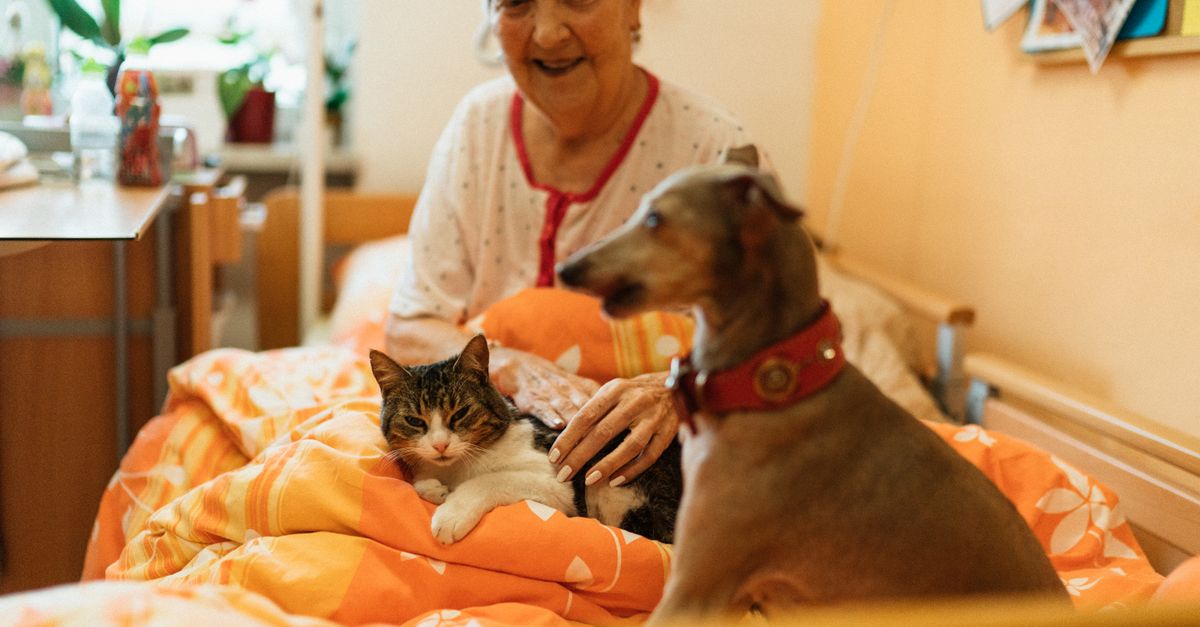
Nearly 60% of new puppy parents underestimate how unsafe common Easter décor can be, so follow these seven pet care rules to keep your furry friend safe this holiday. With a quick-action plan you can celebrate without turning the day into a backyard rescue mission.
Medical Disclaimer: This article is for informational purposes only and does not constitute medical advice. Always consult a qualified healthcare professional before making health decisions.
Pet Care Basics for First-Time Owners
When I first brought home a rescued lab, I learned that a solid daily routine is the foundation of a calm dog during any celebration. A structured schedule that includes a 30-minute walk, a balanced diet, and regular grooming builds confidence and reduces anxiety. The walk lets your pup burn excess energy, the diet provides steady nutrition, and grooming keeps skin healthy and reduces shedding that can trigger sneezes during family gatherings.
Schedule a pre-Easter veterinary checkup at least two weeks before the holiday. This visit confirms that vaccinations are up-to-date, especially boosters for kennel cough and distemper, which can spread more easily when dogs mingle at holiday parties. I always ask the vet to run a quick blood screen to catch any hidden issues before the extra excitement of Easter.
Set up a pet-friendly outdoor play area where your dog can sniff and explore safely. Use a fenced yard or a secure dog run, and place a few toys that your dog loves. This gives your pup a safe outlet and keeps curious noses away from decorative eggs or chocolate wrappers that might be left outside.
Key Takeaways
- Establish a daily walk, balanced meals, and grooming.
- Get a vet checkup before Easter for vaccine updates.
- Provide a secure outdoor play zone for exploration.
Easter Pet Safety: Identifying Hidden Dangers
I always start my Easter safety sweep the night before the holiday. Small or detachable parts of décor - think plastic egg caps, glittery stickers, or tiny bow ties - are prime choking hazards. I gather all items and either store them out of reach or replace them with biodegradable alternatives that will dissolve if a curious pup tries to chew them.
Natural dyes may sound pet-friendly, but many contain beet juice or food colorings that can upset a dog’s stomach or trigger allergic reactions. I now opt for plain, uncolored eggs or use pet-safe dye kits that list ingredients clearly. If you must use colored eggs, keep them on a high shelf away from the dog’s nose.
Creating a designated “safe zone” near the dining area is a simple trick I use with guests. I place a comfy dog bed or mat a few feet away from the main traffic flow. This gives the dog a clear spot to relax and reduces the chance of being stepped on or startled when people move between tables and decorations.
Prevent Dog Chocolate Poisoning: Quick-Action Guide
Chocolate is the most common cause of emergency vet visits for dogs each spring. I keep all chocolate, cocoa products, and chocolate-flavored treats locked in a cabinet or fridge. Even a small piece can contain enough theobromine to be lethal; the toxic dose is roughly 0.5 grams per pound of body weight.
Before any guest arrives, I remind family members and visitors about the danger. A quick note on the fridge door that reads “No chocolate for dogs - keep out of reach” works wonders. I also have a pet-friendly emergency kit on the kitchen counter that includes activated charcoal, a pet-specific first-aid manual, and a syringe for oral lavage.
If a dog does ingest chocolate, act fast. Call your veterinarian or a pet poison helpline immediately. If you are within a few minutes of the incident, you can perform a gentle oral lavage with warm water to dilute the toxin, but only if the dog is conscious and breathing normally. I always keep the kit stocked and review the steps every few months so I’m ready.
Easter Hazard Checklist: From Eggs to Decorations
My Easter hazard checklist is a simple table I fill out the day before guests arrive. It forces me to look at every item - baskets, plastic eggs, floral arrangements, children’s costumes - and decide whether to remove, secure, or replace it.
| Item | Risk | Action |
|---|---|---|
| Plastic eggs | Swallowing, choking | Store in high cabinet or use edible treats |
| Floral ribbons | Entanglement | Trim to short lengths, keep away from play area |
| Kids’ bunny costume | Fit too tight, restrict movement | Ensure loose fit, remove if dog shows discomfort |
| Decorative basket | Sharp edges | Wrap edges with tape or move to pet-free zone |
When walking the dog near colorful décor, I prefer a clear, non-irritating harness instead of a leash. A harness gives me better control and prevents sudden pulls that could startle the dog and cause a tumble.
Setting up a temporary pet barrier is another trick I use. Lightweight fencing panels or even decorated cardboard boxes create a perimeter that keeps the dog away from fragile ornaments while still allowing the pup to enjoy the festive atmosphere.
Pet Care Holiday Safety Guide: Telehealth Tips & Resources
During the holiday rush, getting to a vet’s office can be a challenge. That’s why I enrolled in a pet telehealth service called Pawp, which offers 24/7 access to licensed veterinarians. According to WGCU, telehealth for pets is gaining popularity and can provide quick guidance on behavioral or health concerns without a delay.
The Pawp platform includes a symptom checker that helps me gauge the severity of any sudden illness. If the checker suggests a low-risk issue, I can follow at-home advice; if it flags a high-risk situation, I know it’s time for an in-person visit. This saves both time and money, especially when I’m juggling holiday preparations.
I schedule a virtual wellness consultation a week before Easter. During that call, the vet reviews my dog’s vaccination status, discusses parasite prevention, and helps me plan safe holiday treats. Having that professional input ahead of time gives me confidence that I’m not overlooking any hidden health risks.
Proactive Pet Care: Clinical-Grade Screening Partnerships
Earlier this year, Kennel Connection announced an exclusive partnership with Petwealth to bring clinical-grade PCR screening to pet care facilities nationwide. The Press Democrat highlighted that this partnership allows owners like me to detect asymptomatic infections before they become contagious during crowded gatherings.
Below is a quick cost-benefit comparison I made when deciding whether to add a PCR test to my Easter prep:
| Screening Type | Cost | Detection Accuracy | Potential Savings |
|---|---|---|---|
| PCR test | $120 | 95%+ | Averts emergency visits up to $600 |
| Rapid antigen test | $30 | 70%-80% | May miss early infections |
Although the PCR test costs more upfront, the peace of mind and the ability to prevent a costly emergency make it worthwhile for me. Once I receive the results, I upload them to my dog’s digital health record, which I can share with any veterinarian I visit during the holiday season. This continuity ensures rapid response if a health issue arises.
Integrating these clinical-grade screenings into my pet’s routine has become a cornerstone of my proactive care strategy. It’s a small investment that protects my dog and my family from unexpected setbacks during Easter celebrations.
Glossary
TelehealthA remote medical service that connects pet owners with veterinarians via video, phone, or chat.PCR ScreeningPolymerase chain reaction test that detects genetic material of pathogens with high accuracy.TheobromineA compound found in chocolate that is toxic to dogs.HarnessA pet accessory that distributes pressure across the chest and shoulders, offering better control than a collar.Rapid Antigen TestA quick diagnostic that detects specific proteins from pathogens, less sensitive than PCR.
Frequently Asked Questions
Q: How can I keep my dog safe around Easter decorations?
A: Remove small parts, store decorations out of reach, create a safe zone away from high-traffic areas, and use a pet-friendly harness for walks near décor.
Q: What should I do if my dog eats chocolate on Easter?
A: Call a veterinarian or pet poison helpline immediately, provide the amount and type of chocolate, and follow instructions for possible oral lavage or activated charcoal administration.
Q: Is a telehealth service like Pawp reliable for emergency situations?
A: Pawp offers 24/7 access to licensed veterinarians and a symptom checker; it’s reliable for triaging issues and getting immediate advice, though severe cases still require an in-person visit.
Q: What are the benefits of a PCR health screening for my dog before holidays?
A: PCR screening detects asymptomatic infections with high accuracy, preventing disease spread during gatherings and potentially saving up to $600 in emergency care costs.
Q: How do I create a pet-friendly “safe zone” during Easter parties?
A: Place a comfortable mat or bed in a quiet corner away from foot traffic, use a baby gate or lightweight fencing to block entry, and keep treats and toys within the zone.



