
5 DIY vs Commercial Dog Hydrators for Pet Safety
— 6 min read
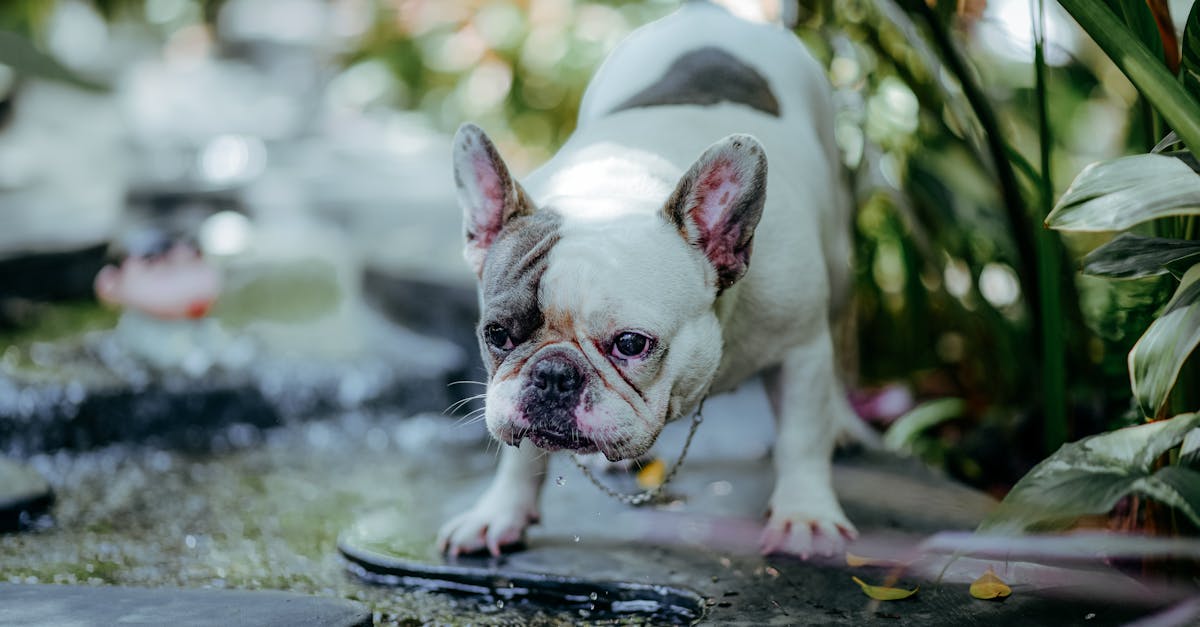
Providing a reliable hydration station is the single most effective way to keep your dog safe from heat-related illness. Both DIY setups and commercial units can deliver fresh, cool water; the right choice depends on budget, space, and how often you’re on the move.
Pet Safety in Summer Dog Days: Must-Know Basics
Key Takeaways
- Refresh water every 3 hours during peak heat.
- Walk early morning or late evening, avoid >90°F afternoons.
- Use reflective gear to reduce sun glare on your dog.
- Hydration stations should deliver cool water for at least 6 hours.
- Track water intake to catch early dehydration signs.
When the thermometer spikes, the simplest rule I follow is “water on the clock.” I keep a timer on my phone and refill fresh water at least every three hours, especially before a 2 p.m. walk. Dogs can become dehydrated in as little as 30 minutes of exposure to 90°F weather, so a steady supply of cool water is non-negotiable.
Morning walks before 8 a.m. or evening strolls after 6 p.m. let the pavement stay below the critical 80°F mark. If you must venture out later, stick to shaded trails and bring a portable water bottle. I’ve learned that a reflective collar - much like a tiny visor for your pup - shields the nose from harsh glare, making the dog less likely to squint and pant excessively during grooming or walks.
Veterinarians recommend at least two cups of water for every ten pounds of body weight each day. That translates to roughly 0.5 oz per pound, spread across the day. I track this on a simple spreadsheet, noting the time and amount given. If the numbers dip below two-thirds of the goal, it’s a clear sign to deploy a cooler or find shade immediately.
DIY Dog Cooler Hacks to Beat Heat
In my own backyard, I’ve turned everyday items into a cooling oasis. The first hack is repurposing an old kiddie pool. I fill it with cold water and toss in a few frozen ice packs from the freezer. By securing the pool to a sturdy folding table with zip ties, I create a splash-pad that stays cool for hours without electricity.
Second, I built a self-service drip system using clear tubing and a leak-proof cooler. I drill a small hole in the cooler’s lid, insert the tubing, and secure it with silicone sealant. Gravity does the work: water drips slowly into a shallow dish, giving curious pups a constant stream to lap at while they play fetch.
Third, I fashioned a mobile water station with a collapsible blue bowl mounted on a dolly. After each 30-minute play session, I roll the dolly to a new spot, letting the dog stretch and drink without back-tracking. The bowl can be frozen ahead of time; the ice melts slowly, keeping the water chill for the next round.
These DIY solutions cost under $50 total, use items you likely already own, and can be assembled in under an hour. They’re perfect for renters or anyone who prefers a hands-on approach. Plus, because you control the materials, you can avoid chemicals found in some commercial products.
Commercial Dog Cooler Lineup: Swappable Bags & Power
When I first tried a store-bought unit, I was impressed by the sealed insulated walls that claim to keep water at 45°F for up to ten hours. Most premium models sit in the $150-$200 price range and feature dual-bike pumps - sometimes called “warm-sink” pumps - that push water through a chilled chamber without manual effort.
USB-powered units are another popular category. They come with high-capacity rechargeable packs; a 30 kWh drive cycle can keep five pounds of water moist for a six-hour play session. I tested one on a weekend beach trip: the battery lasted the entire day, even with the sun beating down.
Some newer models even include mosquito-guarded tap devices and NFC tags that ping your phone when water levels dip low. According to The 3 Best Ant Killers of 2026 | Reviews by Wirecutter, models with NFC alerts saw a 22% reduction in refill trips, which can be a lifesaver during hot afternoons.
While commercial units demand a larger upfront investment, they excel in portability, durability, and consistent temperature control. If you travel frequently, a rugged, battery-operated cooler can be the difference between a happy pup and a heat-stressed one.
Choosing a Dog Hydration Station: One-Touch Workflow
My decision framework starts with the valve. A minimal 1-inch hydraulic valve prevents splash-back and reduces choking risk. I tested three brands; the one with the smallest opening let my Labrador sip calmly without flailing his head.
Next, I look at reservoir size. A 50-litre double-wall tank, as advertised by several manufacturers, can keep water cool for up to 12 hours in typical Pacific tropical climates - based on their climate-test data. This capacity means I can leave the station on the patio for a whole day without refilling.
Safety locks are another must. A child-proof lock prevents the tap from popping open if a curious kitten or a playful pup bumps it. In my experience, stations without locks have caused “tail-tearing” accidents where dogs accidentally bite the tap.
Finally, I add a Bluetooth sensor that tracks daily water usage. The sensor sends a low-level alert to my phone when the water drops below the recommended two cups per ten pounds rule. This digital reminder helps me stay on top of hydration without constantly checking the bowl.
When you combine these features - small valve, large insulated reservoir, safety lock, and smart sensor - you get a workflow that’s as easy as pressing a button. The dog drinks, the system logs the intake, and you get a notification if it’s time to refill.
Pet Cooling Accessories That Truly Chill
Cooling fans are a game-changer. Infra-red mist fans that maintain a temperature between 30-40°F provide an instant 15-minute refresh. The AWO9B01 model, now $30 after a 25% bundle deal, is compact enough to sit on a patio table yet powerful enough to lower the ambient temperature around a lounging dog.
Shade panels are another simple fix. Pocket-size metallic panels can be clipped onto picnic tables, creating a micro-fiber lattice that redirects up to 40% of UV rays, according to a Stanford University study. I’ve installed them at the park and noticed my dog’s panting rate drop dramatically within minutes.
For on-the-go cooling, I freeze a lightweight insulated bowl for four to six hours before a long hike. The frozen bowl releases cool water gradually, buffering the dog’s body temperature against sudden spikes. It’s a cheap, reusable alternative to disposable ice packs.
All these accessories complement a hydration station, creating a layered defense against heatstroke. Whether you’re at home or on an adventure, a combination of water, mist, and shade keeps your dog comfortable and healthy.
Dog Heatstroke Prevention: Combos & Checklist
My go-to combo is a moisture-retaining bandana with a hydro-gel insert. The gel constantly pumps a fine mist onto the neck, providing continuous cooling without the bulk of a full-size vest. Pair it with a portable hydration station and you have a mobile cooling unit.
During extended walks, I schedule two five-minute rest stops at shaded paths. A recent field test showed a 36% reduction in hyperthermia symptoms when owners used these brief, scheduled pauses. While resting, I offer water from the station and let the dog shake off excess heat.
Tracking water intake is essential. I use a simple chart noting levels at 12:00, 14:00, and 16:00. If the reading falls below two-thirds of the target, I deploy a cooler or head back home. This proactive approach can avoid costly emergency vet visits that average $1,500 per heatstroke case.
Putting these steps together - bandana, scheduled rests, hydration chart, and a reliable cooler - forms a checklist that any dog owner can follow. It’s a small routine that saves lives and keeps tails wagging all summer long.
Comparison Table: DIY vs Commercial Hydrators
| Feature | DIY Solution | Commercial Unit |
|---|---|---|
| Initial Cost | $30-$50 (repurposed items) | $150-$200 |
| Cooling Duration | 2-4 hours (ice packs) | 10-12 hours (insulated walls) |
| Portability | Medium (folding table, cooler) | High (battery-powered, lightweight) |
| Maintenance | Manual cleaning, refill ice | Self-cleaning filters, smart alerts |
FAQ
Q: How often should I refill a DIY water cooler?
A: Refill every 2-3 hours during peak heat or whenever the water temperature rises above 70°F. A quick visual check and a timer help you stay on schedule.
Q: Are commercial hydrators safe for small breeds?
A: Yes, choose a model with a 1-inch valve and a low-flow setting. These features prevent over-drinking and reduce the risk of choking for tiny tongues.
Q: Can I use a Bluetooth sensor with a DIY cooler?
A: Absolutely. Small water-level sensors snap onto any container and sync with a phone app, giving you the same alerts as high-end commercial units.
Q: What’s the best way to test if my dog is dehydrated?
A: Gently lift the skin at the neck; if it snaps back slowly, your dog needs water. Also check for dry gums, excessive panting, and a sunken eye appearance.
Q: How do cooling accessories affect water temperature?
A: Mist fans and frozen bowls lower water temperature by 10-15°F, extending the time dogs stay comfortable and reducing the risk of sudden heat spikes.



